
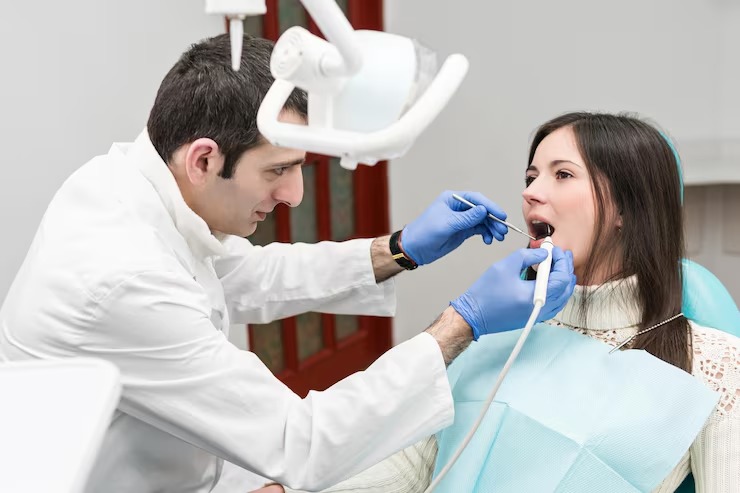
Waking up with a sharp pain in your tooth can make the whole day hard. Sometimes it’s a dull ache that won’t go away, or a quick sting when you sip cold water. Any kind of mouth pain means something isn’t right. Visiting a dental clinic in Saskatoon early is the ideal way to stop the problem from getting worse. Many people try to ignore the pain, but unlike a scraped knee, teeth don’t heal on their own.
Understanding Why Your Teeth Hurt
Tooth pain comes in many forms, and each one tells a different story about what is happening inside the mouth. Some people feel a constant throb, while others only feel a zing when they eat sweet treats. A professional dental checkup allows a professional to see things that are hidden beneath the surface. Using special tools and X-rays, they can find the exact spot where the trouble is starting.
When a tooth hurts, it is often because the soft center, which holds the nerves, is being irritated. This could be from a small hole called a cavity or a tiny crack that is too small for a person to see in a bathroom mirror. Finding these issues quickly means the fix is usually much easier and faster than waiting until the pain becomes unbearable.
What Causes Tooth Sensitivity?
If cold air or a bite of ice cream makes your teeth hurt, you may have tooth sensitivity. Several causesoftoothsensitivity affect people of all ages. Understanding these causes helps you take better care of your enamel, which is the hard outer shell of the tooth.
- Brushing Too Hard: Using a toothbrush like a scrub brush can actually wear down the enamel and push back the gums.
- Acidic Foods: Drinking a lot of soda or eating lemons can dissolve the protective layer of the teeth over time.
- Gum Recession: If the gums pull away from the teeth, the roots become exposed, and the roots are very sensitive to temperature.
- Grinding Teeth: Clenching the jaw during sleep puts a lot of pressure on teeth, which makes them feel sore and tender in the morning.
- Cracked Fillings: Old fillings can sometimes leak or break, letting cold air get inside the tooth.
How Can Dentists Treat Sensitive Teeth?
Once a dentist knows why the mouth is reacting to heat or cold, they can start a sensitive teeth treatment that works for you. There is no reason to live with discomfort when there are so many ways to fix it. Depending on the problem, a professional might suggest several different solutions to help you get back to enjoying your favourite foods.
One common fix is applying a special fluoride varnish that acts like a shield for the teeth. This varnish fills in tiny holes in the enamel so that cold and heat cannot reach the nerves. For people who grind their teeth, a custom mouthguard can be made to wear at night. This keeps the teeth from touching and lets the jaw muscles relax. If a cavity is the problem, a simple tooth-colored filling can seal the area and stop the pain instantly.
Why You Should Not Wait
Waiting to see a professional often leads to bigger problems that cost more money to fix. A small ache can turn into a serious infection called an abscess if bacteria get too deep into the tooth. Infections in the mouth can make a person feel very sick with a fever or a swollen face. Getting a regular dental checkup in Saskatoon ensures that the mouth stays clean and that any small issues are handled before they cause a true emergency. By letting a professional look at your teeth twice a year, you can stop pain before it even starts.
Keeping Your Smile Strong at Home
While professional care is vital, what happens at home every day matters as much. Using a soft-bristled toothbrush and toothpaste made for sensitive teeth can make a big difference in a few weeks. It is also helpful to wait at least thirty minutes after eating something acidic before brushing, as this gives the enamel time to harden back up. Staying hydrated with plain water also helps wash away sugar and acid that cause pain.
Healthy teeth allow people to speak clearly, eat well, and smile with confidence. Taking the time to visit a clinic ensures that the teeth stay strong and the gums stay pink and healthy. No one should have to miss out on a fun meal or a good night’s sleep because of a toothache. By being proactive and seeking help at the first sign of a sting, you keep your smile in great shape for a lifetime.
Say Goodbye to Tooth Pain-Hello to Comfort
Living with mouth pain or a tooth that stings every time you take a sip of water is not something anyone has to do. Our expert team at Lakewood Dental specializes in finding the cause of your discomfort and providing gentle care to fix it. If you are tired of avoiding your favourite cold drinks or hot meals, see us so we can help you feel better.
Schedule your visit today.
FAQs
-
Does a stinging tooth always mean I have a cavity?
Not every time. While a hole in a tooth can make it hurt, sensitivity is also caused by thin tooth shells or gums that have moved away from the tooth. Having a dentist look at the area is the only way to know the real reason for the pain.
-
Can I use regular toothpaste if my teeth hurt?
You can, but toothpaste specifically made for sensitivity contains special ingredients that block the pain signals from reaching the nerve. It usually takes a week or two of use to start working.
-
Does whitening my teeth make them more sensitive?
Sometimes, whitening products can make teeth feel a bit zingy for a few days. This is usually temporary, but it is a good idea to ask for advice before starting a whitening kit.
-
How often should I get a checkup if my teeth feel fine?
Most people should visit the clinic every six months. These visits catch hidden problems that do not hurt yet, which keeps your mouth much healthier in the long run.