
Maintaining a vibrant smile involves much more than just brushing at home. When searching for a dentist in Saskatoon, many patients are surprised to learn that professional care is the strongest defense against silent infections in the mouth. Periodontal disease, which is a serious infection of the gums, often starts without any pain or obvious warning signs. By visiting a dental professional regularly, you can catch these issues early and keep your natural teeth for a lifetime.
A clean mouth is the foundation of a healthy body. This guide explains why sitting in the dental chair twice a year is the most effective way to stop gum disease before it starts.
What Exactly Is Periodontal Disease?
Periodontal disease occurs when bacteria build up on the teeth and move under the gum line. At first, this might cause a little redness or bleeding when you brush, which is known as gingivitis. If left alone, the infection can get deeper, destroying the bone that holds your teeth in place.
Professional dental cleanings in Saskatoon are designed to remove the specific type of buildup that a regular toothbrush cannot handle. Without these cleanings, the bacteria create deep pockets around the roots, eventually leading to tooth loss.
Why Are Regular Dental Cleanings Important for Gum Health?
To understand the importance of regular dental cleanings for gum health, we have to look at how buildup forms. Every time we eat, a sticky film called plaque forms on our teeth. You can remove most plaque with brushing and flossing. However, if any plaque stays on the tooth for more than a day or two, it hardens into a substance called tartar or calculus.
- Tartar Is Like Cement: Once plaque turns into tartar, it is stuck to the tooth.
- Toothbrushes Can’t Move It: No amount of scrubbing at home will remove tartar.
- It Irritates the Gums: Tartar acts like a rough splinter against the soft gum tissue, causing constant inflammation.
What Are the Advantages of Professional Dental Cleanings?
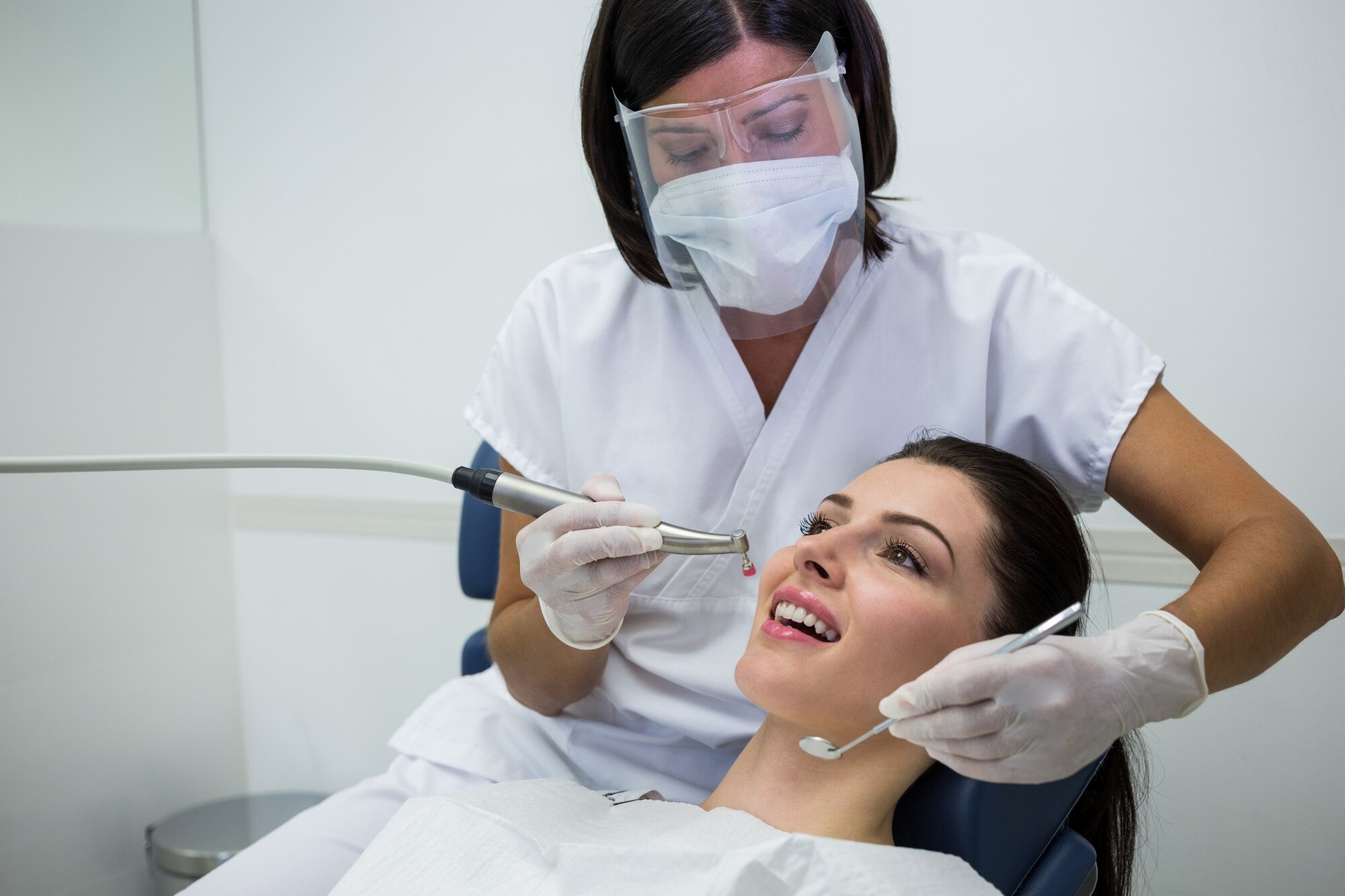
During a professional visit, a dental hygienist uses specialized tools to gently scrape away every bit of tartar from the front, back, and sides of your teeth. This process is the only way to reset the health of your mouth.
One of the main benefits of professional dental cleanings is the ability to reach “below the belt.” Hygienists can clean slightly under the edge of the gum where your floss might not reach. By removing the source of the irritation, your gums can finally heal, tighten up, and stop bleeding.
How Does Polishing Protect Your Enamel?
After the hard tartar is gone, the teeth are polished with a special rotating brush and gritty paste. This does more than make your smile look bright for photos. Polishing smooths out the surface of the enamel.
When the surface of the tooth is perfectly smooth, it is much harder for new plaque to stick to it. This “slippery” surface gives you a head start on your oral hygiene at home, making your morning and nightly brushing much more effective.
Can Cleanings Help Detect Gum Issues Early?
Regular visits allow the dental team to measure the “pockets” or spaces between your teeth and gums. If these pockets are getting deeper, it is a sign that periodontal disease is starting to progress.
Catching this early means you only need a standard cleaning rather than a deep surgical treatment later on. The dental team also checks for signs of oral cancer, cracked fillings, or small cavities that could trap bacteria and lead to more gum irritation.
Is There a Connection Between Gum Health and Overall Body Wellness?
Medical research shows a strong link between gum disease and other health problems like heart disease, diabetes, and even strokes. When your gums are infected, bacteria can enter your bloodstream every time you chew.
By prioritizing your dental visits, you are protecting more than just your smile; you are protecting your entire body. Keeping inflammation low in the mouth helps your immune system stay strong and focused on keeping you healthy elsewhere.
Ready to Experience a Healthier, Brighter Smile?
Our experts at Lakewood Dental understand that a healthy smile starts with prevention, which is why they focus on thorough and gentle care during every visit. By utilizing modern technology and a compassionate approach, we help families in the community maintain strong gums and beautiful teeth.
Schedule your visit with us today to take the first step toward a lifetime of healthy smiles.
Frequently Asked Questions
-
Does a dental cleaning hurt if I have sensitive gums?
If your gums are tender, the dental team can use a numbing gel or a very gentle touch to make sure you stay comfortable. Most patients find that the “clean feeling” afterward is well worth the short time in the chair.
-
How often do I really need a professional cleaning?
For most people, a visit every six months is perfect. However, if you already have signs of gum disease, your dentist might suggest coming in every three or four months to keep the infection from returning.
-
Why do my gums bleed during a cleaning?
Bleeding is usually a sign of inflammation caused by plaque and tartar. As you get regular cleanings and improve your brushing at home, the inflammation goes away, and your gums will stop bleeding during future visits.
-
Can a cleaning fix bad breath?
Yes! Bad breath is often caused by bacteria hiding under the gum line or on the back of the tongue. A professional cleaning removes these smelly germs, giving you much fresher breath.