
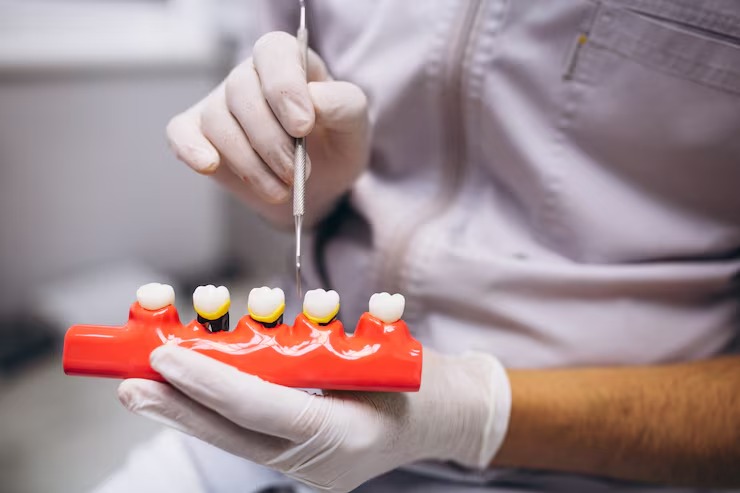
Do you have a damaged or worn tooth? You can visit a dental clinic in Saskatoon to fix your smile with a dental crown. A crown is a strong cap made just for you that covers your tooth, protects it, and restores its natural shape and function. Dentists often suggest a crown when a tooth is cracked, badly decayed, or worn down.
Dental crowns not only improve appearance but also restore strength, allowing you to chew and speak comfortably again. Let’s take a closer look at how they work and when they are needed.
What is a Dental Crown?
A dental crown is a tooth-shaped cap that is placed over a damaged tooth. It is designed to:
- Protect weak teeth from breaking.
- Restore broken or worn-down teeth.
- Cover large fillings
- Improve the look of discoloured or misshapen teeth.
Crowns are made from materials like porcelain, ceramic, or metal. Porcelain crowns are popular because they blend in naturally with your smile.
When Do You Need a Dental Crown?
A dentist may recommend one in the following situations:
- After a root canal treatment
- When a tooth has a large cavity that cannot hold a filling
- If a tooth is cracked or fractured
- To support a dental bridge
- To cover a dental implant
If your tooth feels weak or painful when chewing, it may be time to visit a dentist near you for an evaluation. Early treatment prevents further damage.
How Dental Crowns Restore Strength
A broken tooth is no longer strong. If chewed on, it may break further. A dental crown can work like a helmet. It encircles the entire visible portion of the tooth above the gum line.
Crowns help bring back strength.
- Even Pressure Distribution: Crowns spread bite pressure evenly across the tooth.
- Crack Protection: They prevent small cracks from becoming larger fractures.
- Structural Support: Crowns hold the remaining natural tooth together.
With proper placement, you can chew normally without further damaging your tooth.
How Dental Crowns Restore Function
Function refers to the ability to chew, bite, and speak properly. A damaged tooth can make eating uncomfortable and affect speech.
Dental crowns help restore function by:
- Rebuilding the original tooth shape
- Improving bite alignment
- Reducing tooth sensitivity
- Allowing normal chewing
Once the crown is placed, most patients quickly return to eating their favourite foods comfortably.
The Dental Crown Procedure
Understanding the process can make you feel more comfortable. The procedure usually involves two visits:
First Visit
- The dentist examines and prepares the tooth.
- Any decay is removed.
- The tooth is shaped to fit the crown.
- Impressions are taken to create a custom crown.
- A temporary crown is placed.
Second Visit
- The temporary crown is removed.
- The permanent crown is checked for fit and colour.
- The crown is cemented into place.
After placement, your tooth feels strong and protected again.
How Long Do Dental Crowns Last?
Many patients ask, How long do dental crowns last? On average, dental crowns last between 10 and 15 years. With proper care, some can last even longer.
Their lifespan depends on:
- Oral hygiene habits
- Grinding or clenching teeth
- Type of material used
- Regular dental checkups
Brushing twice daily, flossing, and visiting your dentist regularly can help extend the life of your crown.
Caring for Your Dental Crown
Taking care of your crown is simple and similar to caring for natural teeth:
- Brush twice daily
- Floss carefully around the crown
- Avoid biting tough objects.
- Visit your dentist for regular checkups.
If your crown feels loose or uncomfortable, contact your dental clinic promptly.
Restore Your Smile with Confidence!
Is your tooth damaged or weakened? You may be in pain. Don’t delay acting; don’t let it get worse. The compassionate team at Lakewood Dental Clinic is ready to place a strong, natural-looking crown to restore your smile. Make an appointment today to get started on your journey toward comfort, strength, and confidence in your smile.
FAQs
- Is it painful to get a dental crown?
People usually find the procedure comfortable. Most patients experience minimal to no pain because the area is numbed using local anesthesia.
- Can a tooth with a crown get decayed?
The natural tooth with fillings can still decay. It is imperative to protect crown margins with good oral hygiene.
- Will my crown look natural?
Yes. Modern crowns are carefully matched to your tooth colour, making them blend in with your natural smile.
- Can I eat normally with a crown?
After the permanent crown is placed, you can eat most foods normally. Avoid tough items to protect them.